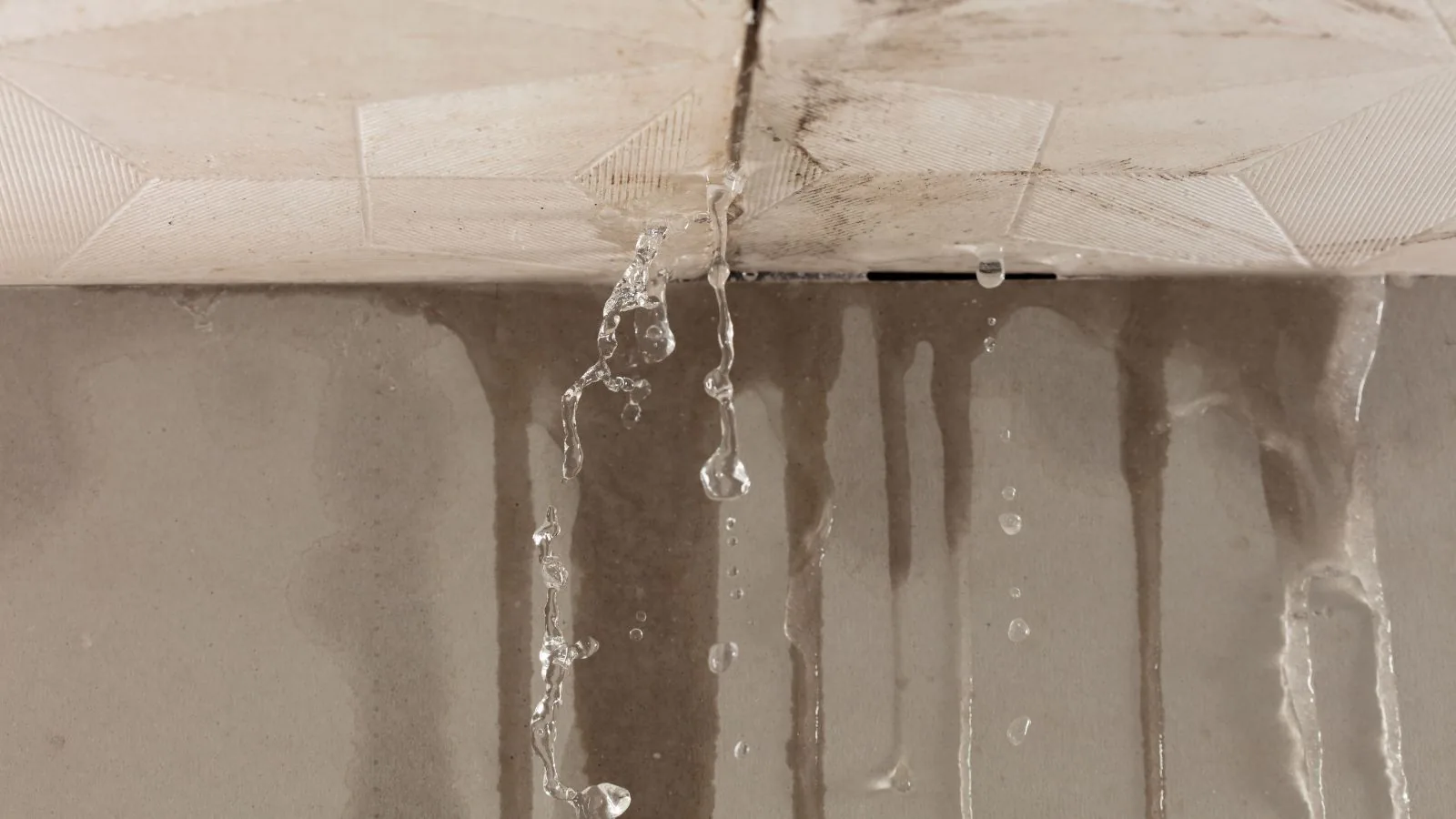
A storm can open a home to rain in minutes, and the water keeps coming until the opening is covered. Our line is open 24/7 during storm season. Put safety first, then call.
Storm water damage cleanup is the removal of rainwater that entered through wind, hail or debris damage, plus the drying and repair of the interior. It differs from flooding because the water enters from above or through a broken envelope rather than rising from the ground. A plain roof leak with no storm is covered on the ceiling page.
Storm emergency: first steps
- Keep away from downed power lines and call the utility or 911.
- If a tree or limb hit the roof, stay out of the damaged room.
- Cover openings with tarps if it is safe. Do not climb a wet roof.
- Move valuables out of the wet area and photograph the damage before cleanup.
- Call your insurer and call us.
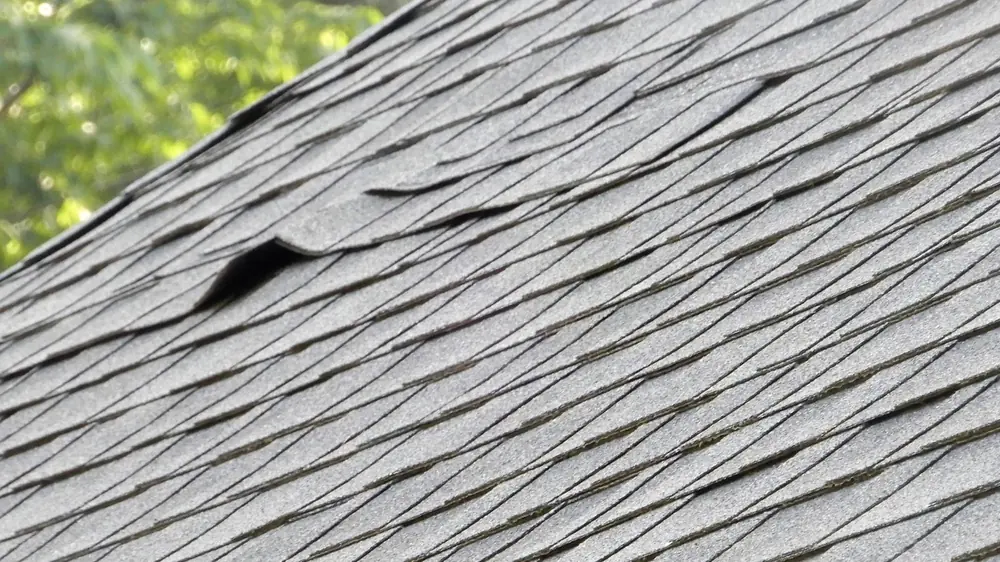
How storm water enters
| Entry | Typical damage | Next step |
|---|---|---|
| Missing shingles or damaged decking | Ceiling stains, wet insulation | Roof tarp, cavity drying. |
| Broken window or door | Wet floor and walls | Board up, extraction, drying. |
| Wind-driven rain through siding or flashing | Wet wall cavities | Moisture mapping, wall drying. |
| Clogged gutters and downspouts | Overflow at eaves and fascia | Dry fascia and attic edges. |
| Skylight failure | Ceiling and floor below | Seal, dry. |
Ballwin weather
The NWS St. Louis 1991 to 2020 normals show 41.70 inches of precipitation a year, and spring brings the heaviest rain. May averages 4.82 inches, April 4.73 and June 4.49. That is the time of year many storm calls come in.
Heavy rain and wind can come together in a single event, which is why the interior damage often shows up the next day.
Storm water inside your home?
Call now. We will help you protect the interior and plan the drying.
What we do
We extract water, check moisture in ceilings, walls and floors and set up drying equipment. Wet insulation is removed when it is saturated. We document the interior damage so your adjuster has photos and readings alongside the exterior estimate.
Roofers, window installers and siding contractors repair the outside. Coordinating the sequence matters, because drying a room while the roof is still open does not work. Our structural drying page explains the interior side.
Storm versus flood
If water came up from the ground or from a rising creek or river, treat it as flood water. Flood water is contaminated and follows different rules, explained on our flood damage page.
Insurance notes
The Missouri Department of Commerce and Insurance notes that most standard homeowners policies cover damage from wind and hail, and that flood damage typically requires separate coverage. DCI also advises documenting the damage, photographing it before temporary repairs and calling your insurer promptly. Keep receipts for tarps and emergency repairs.
After the storm: hidden moisture
Wind-driven rain can enter through places that do not look damaged. Water can travel under siding, behind flashing and along rafters before it shows up on a ceiling. We use moisture meters and thermal imaging to trace it rather than assuming it stopped at the visible stain.
Attic insulation soaks up a lot of water and takes a long time to dry. We evaluate it and remove sections that are saturated.
Working with roofers and contractors
Roof repair or a temporary tarp usually comes first so water stops entering. Interior drying then begins. Coordinating with the exterior contractor avoids repeated wetting. If you are still waiting on a roofer, ask us how to protect the interior in the meantime.
Standards behind this work
The National Weather Service St. Louis issues the watches and warnings that precede many local storm losses, and FEMA publishes flood maps you can check for your address. ANSI/IICRC S500 guides how storm water, which is usually treated as contaminated, is handled.
What to do before we arrive
- Stay out of rooms with electrical hazards or sagging ceilings.
- Photograph damage from the outside first, then inside.
- Cover openings with tarps if it is safe to reach them.
- Do not walk through standing water that may touch outlets or appliances.
Questions Ballwin homeowners ask
Yes. The 24/7 line is open at all hours. We cannot promise an arrival time during busy storms, and we will tell you honestly what to expect.
We focus on interior water damage. Roofing contractors handle tarps and roof repair, and we coordinate with them on the drying schedule.
That is your decision with your insurer. Document the damage and read your deductible.
Call anyway. Hidden moisture in attics and walls can show up late, and drying is still worthwhile.
Yes, if materials stay wet. Dry them within 24 to 48 hours per Missouri DHSS guidance.