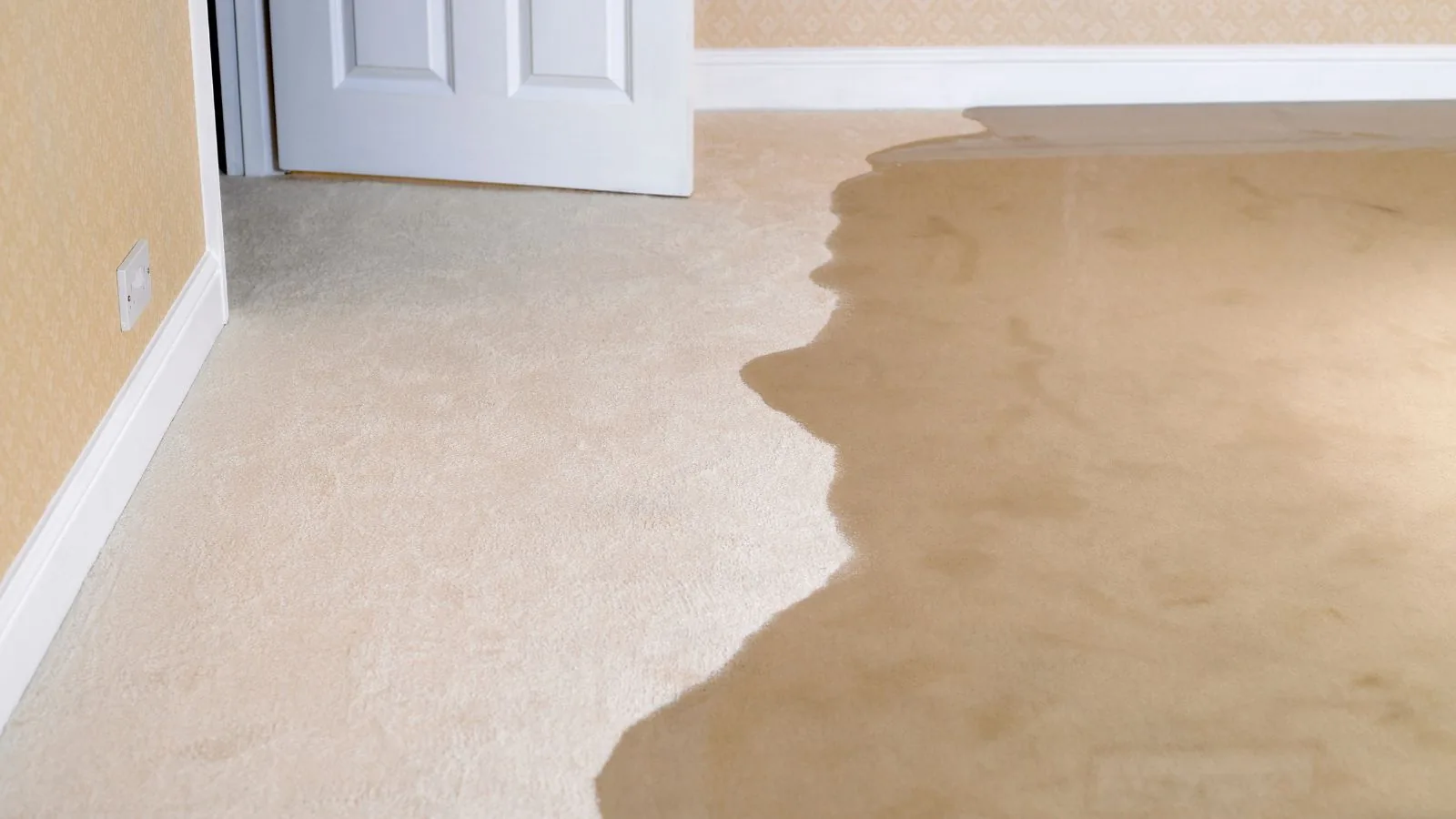
Wet carpet is a race. Clean water caught quickly can be extracted and dried in place, but water that sits turns from a spill into a problem. If water is still arriving, call our 24/7 line.
Carpet water damage restoration is the extraction, drying and decision process for carpet and padding after water exposure. The key questions are the water category and how long the carpet stayed wet.
Save it or replace it?
| Water | Carpet | Pad |
|---|---|---|
| Category 1, clean, caught quickly | Often saved | Often dried in place or replaced. |
| Category 1 that sat for days | May need replacement | Usually replaced. |
| Category 2, gray water | Cleaned if possible, often replaced | Replaced. |
| Category 3, sewage or flood | Replaced | Replaced. |
Categories follow the ANSI/IICRC S500 industry standard. Your technician makes the final call with meter readings.
Padding holds water like a sponge and takes the longest to dry, so it is the first thing to evaluate. Carpet that is lifted and dried separately from the pad can sometimes be reinstalled.
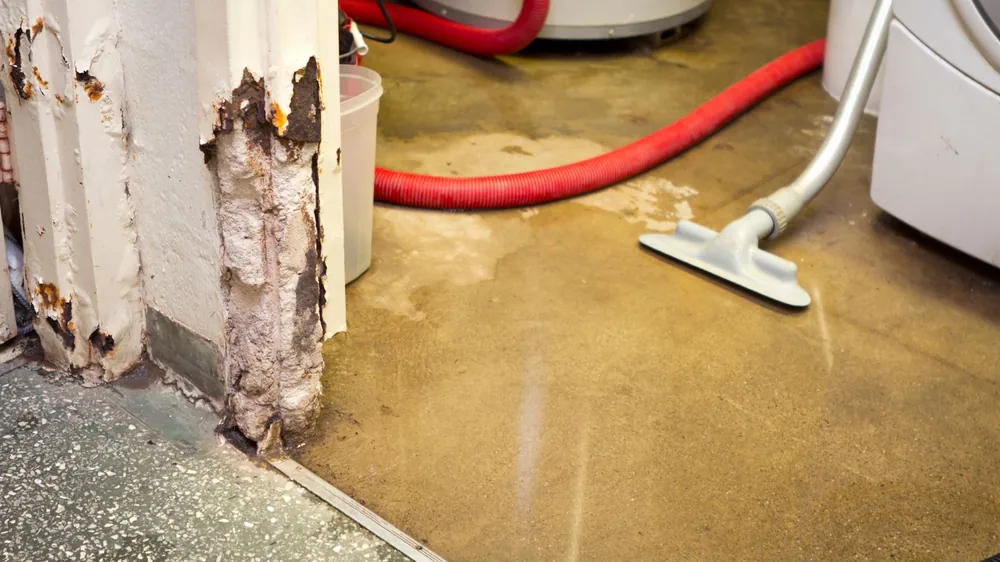
What we do
- Extract water with weighted wands and truck-mounted or portable extractors.
- Lift carpet at an edge to check the pad and subfloor.
- Remove pad that cannot dry in time.
- Dry carpet and floor with air movers and dehumidifiers.
- Check subfloor and tack strips for moisture.
- Replace pad and restretch or replace carpet as needed.
Carpet wet right now?
Call now. The faster the extraction, the better the outcome.
Hidden damage under carpet
Carpet hides the signs of a leak. A dark patch on the floor, a musty smell or a spot that feels cool and damp is often the first hint. Callers sometimes find mold only after lifting a corner of the carpet near a wall.
Water can wick into baseboards and the bottom of drywall, too. We check those spots with a moisture meter. For wall damage see wall and drywall repair.
Carpet in basements and bedrooms
Basement carpet over concrete is hard to dry because the slab stays damp. Bedroom carpet over wood subfloor is easier. In both cases we monitor the floor under the carpet and not just the surface. See basement water damage for below-grade rooms.
Cleaning and odor
After drying, carpet can be cleaned and deodorized. If an odor remains, there may still be moisture below. We recheck before calling the job complete.
The Missouri Department of Health and Senior Services recommends drying wet items within 24 to 48 hours. Carpet and pad are the items most likely to fall outside that window if no one acts.
Insurance notes
Missouri DCI advises photographing damage before any temporary repair and keeping receipts. Carpet replacement costs vary with age and quality, so ask your agent about depreciation and your deductible.
The carpet pad question
Pad is a foam or fiber layer that acts like a sponge. It is inexpensive compared with carpet, and it is the first piece many crews remove. Replacing pad lets the carpet and the subfloor dry faster and avoids trapping odor.
If the carpet itself is in good shape, it can be lifted, dried and reinstalled over new pad. Restretching and reinstalling is a flooring contractor task.
Stains, dye and odor
Water can pull dye or staining from the backing and from the floor underneath. Brown rings may appear at the edges as the carpet dries. Professional cleaning after drying often reduces them, but we do not promise a return to the original look.
A lingering smell after cleaning is a signal to recheck moisture below the surface.
| Step | Why |
|---|---|
| Lift furniture legs onto foil or blocks | Prevent stain transfer. |
| Remove loose rugs and contents | Keep them from staining. |
| Open closet doors and run fans if safe | Improve air movement. |
| Do not walk on wet carpet | Spreads dirt and compresses pad. |
| Photograph the area | Needed for the claim. |
Standards behind this work
ANSI/IICRC S500 is the published reference for deciding whether carpet and pad can be dried in place. Contamination category, not just time, decides that call.
What to do before we arrive
- Keep foot traffic off wet carpet.
- Remove small items and furniture from the wet area.
- Do not use a household vacuum on wet carpet.
- Photograph the damage before anything moves.
Questions Ballwin homeowners ask
Yes, call the 24/7 line for active water. We cannot promise an arrival time.
The Missouri Department of Health and Senior Services recommends drying within 24 to 48 hours. Beyond that, mold risk rises.
Often yes for clean water. Sometimes the pad is removed and the carpet is lifted for drying.
Usually not. See our sewage backup page.
No. A flooring contractor does. We dry the floor and scope the work.