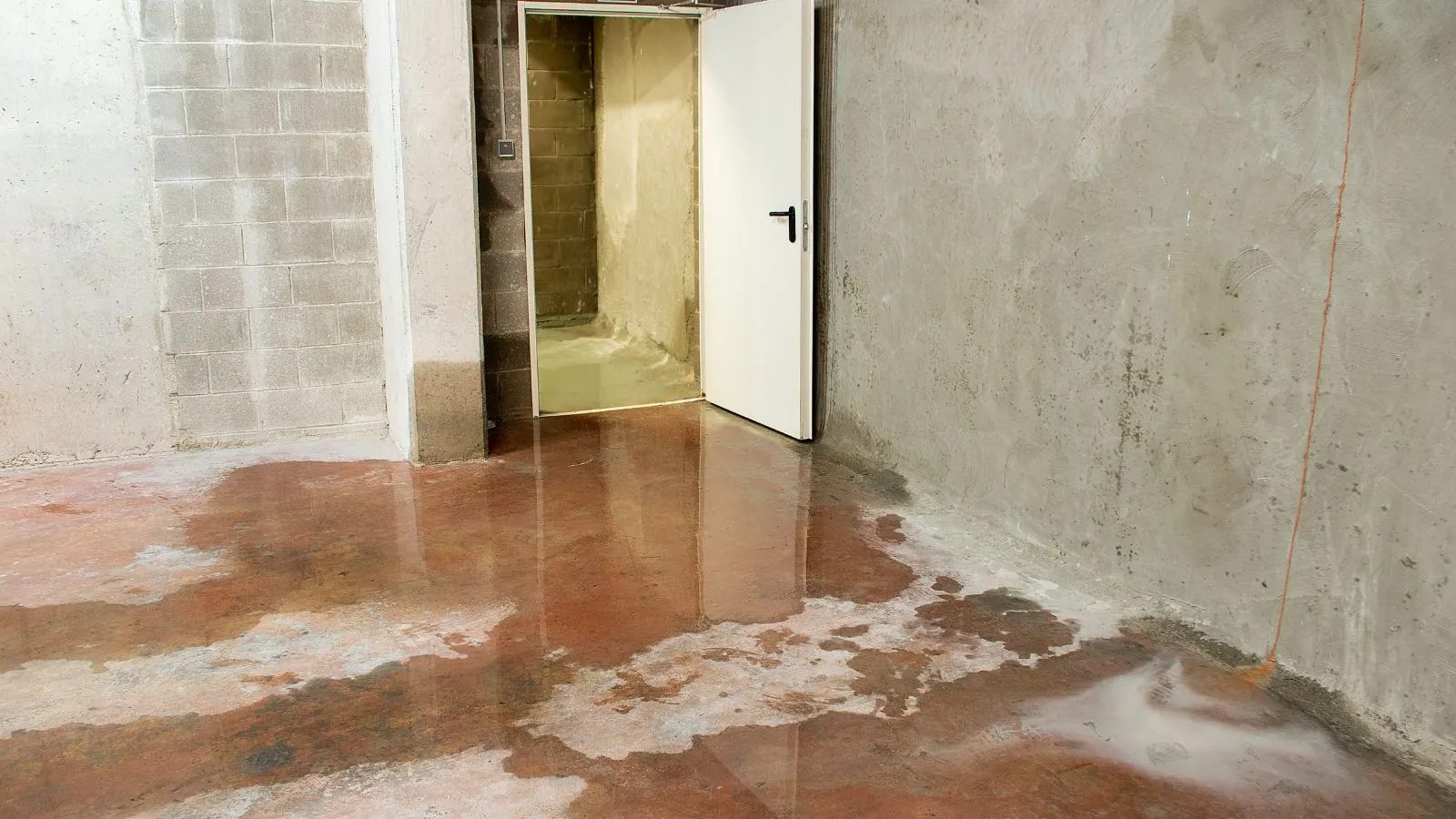
A flooded basement is an emergency because water below grade can reach outlets, appliances and the furnace. Our line is open 24/7. Do not walk into deep water if electricity might be live.
Basement water damage cleanup is the removal of water from a below-grade room, followed by drying and repair of walls, floors and contents. The source may be a failed sump pump, seepage through walls, a plumbing leak, a sewer backup or rising groundwater.
Basement emergency: stay safe
- Do not enter water if the panel, outlets or appliances may be energized. Call your electric utility or 911 first.
- Do not use fuel-powered pumps or equipment in an enclosed basement because of carbon monoxide.
- Water that came up a floor drain may be sewage. See the sewage page before touching it.
- Move items upward if you can do so safely.
Where basement water comes from
| Source | Signs | Who fixes the cause |
|---|---|---|
| Sump pump failure or power outage | Water rises in the pit and floods | Plumber or waterproofing contractor. |
| Seepage through walls or floor | Damp walls, water after rain | Waterproofing contractor. |
| Plumbing or water heater leak | Water from a specific fixture | Plumber. |
| Sewer backup | Water from floor drain, odor | Plumber and sewer utility. |
| River or surface flooding | Water from outside, mud | Flood restoration, drainage. |
What we do
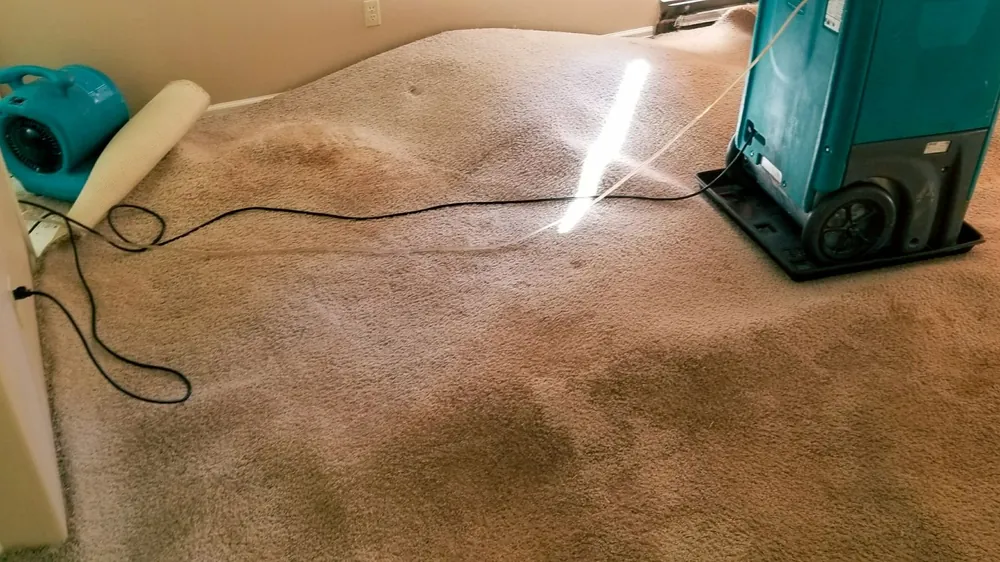
Pumps and extractors clear water first. Carpet and pad that are soaked are generally removed. Drywall wicks water upward, so we check the wall and cut it at a safe height above the line where needed. Stored boxes and furniture are sorted into what can be saved and what cannot.
Drying then follows, with dehumidifiers working harder because a basement is often humid already. See structural drying for the equipment.
Basement flooding now?
Stay safe and call the 24/7 line. We will tell you what to do while the crew is on the way.
Cleanup versus waterproofing
We restore damage. We do not install drainage systems, exterior waterproofing or foundation repair. If water keeps returning after storms, a waterproofing contractor is the next call. Callers have asked about this directly, and the honest answer is that cleanup does not stop the next leak.
Ballwin receives about 41.70 inches of precipitation a year according to the St. Louis NWS normals, with spring the wettest season. A basement that takes on water in those months likely needs drainage work.
Finished basements and mold
Finished basements hold wet carpet, drywall, cabinets and insulation, and they tend to be humid. Mold can start in days if materials stay wet. The Missouri Department of Health and Senior Services advises drying wet items within 24 to 48 hours. See our mold remediation page for growth that is already visible.
Insurance notes
Missouri DCI says that flood damage typically needs separate coverage. Sump pump failure and sewer backup are often addressed through optional endorsements, so read your policy. Photograph the water level and damage before cleanup.
Stored items and contents
Basements hold boxes, holiday decorations, tools, paperwork and photographs. Cardboard stays wet for a long time and invites mold. Move wet boxes to a dry area, separate items that can be dried from those that cannot and photograph anything you plan to discard.
Photos, documents and books can sometimes be saved by freezing and professional drying. Ask early because speed matters.
Furnace, water heater and electrical
If water reached the furnace, water heater or panel, do not turn them on. A qualified technician should inspect them. We dry the space around them, but we do not repair or certify equipment.
Basement water in Claymont
Claymont is Ballwin's largest subdivision, and our page for water damage restoration in Claymont explains basement and sump pump problems for homes there.
Questions Ballwin homeowners ask
Yes. The 24/7 line is open at all hours. We cannot promise an arrival time, but we respond as quickly as we can.
No. We restore water damage. A waterproofing contractor handles drainage and foundation work.
No, but water from a floor drain may be. Treat it as contaminated until a professional says otherwise.
Soaked carpet, pad and lower drywall are removed, and the space is dried. Rebuild follows.
It depends on your policy and endorsements. Ask your agent.