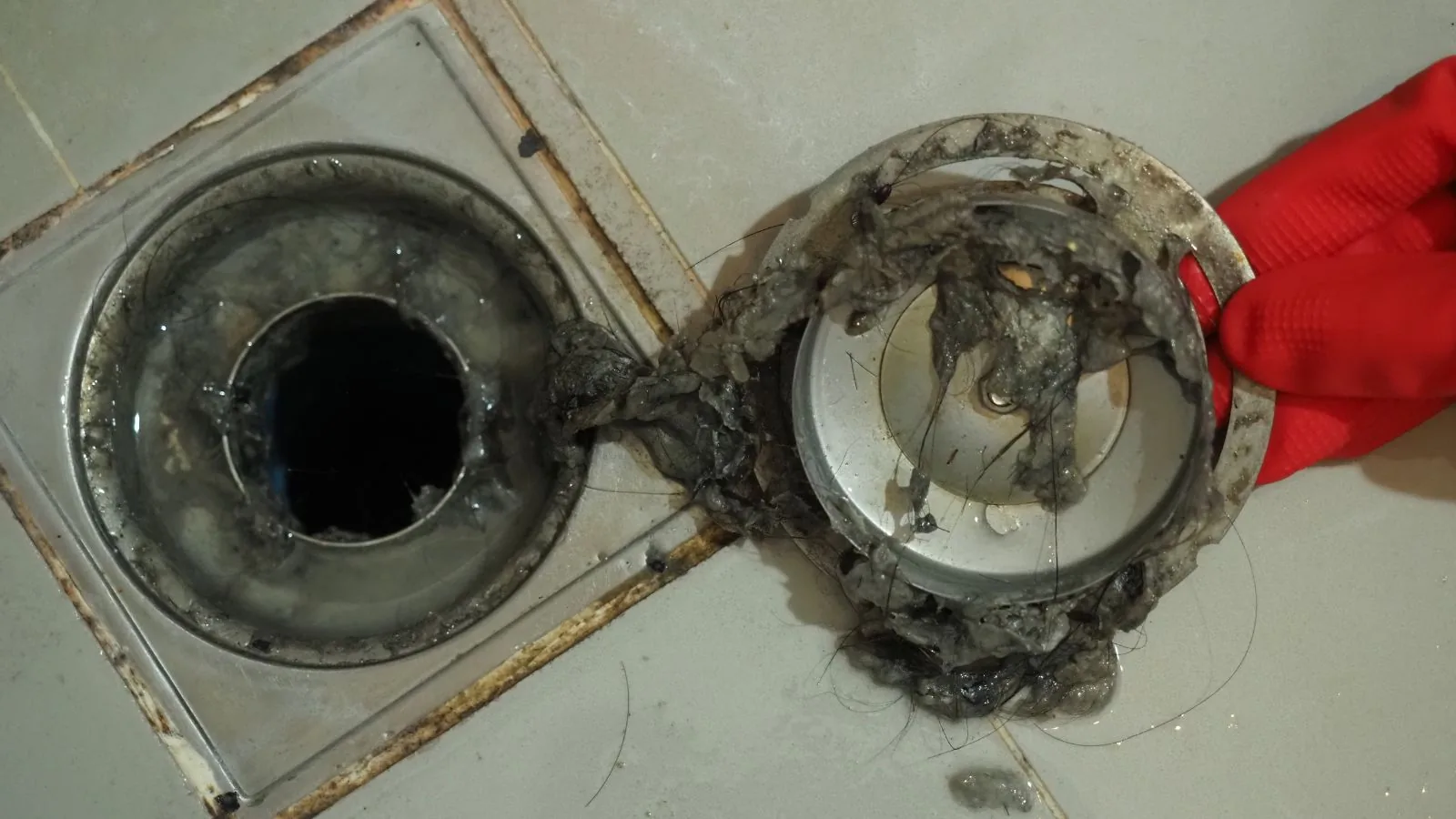
Sewage backup is an emergency because the water is contaminated and can spread fast through a home. Our line is open 24/7. Stop using water and keep people out first.
Sewage backup cleanup is the safe removal of wastewater and affected materials, followed by cleaning, disinfecting and drying. Under the S500 industry standard, sewage is Category 3 water, and the cleanup differs from a clean water leak.
Sewage backup: what to do first
- Stop using sinks, toilets, showers and washing machines so more water does not enter the line.
- Keep children, pets and anyone with a weak immune system out of the area.
- Do not touch sewage water with bare skin and do not try to vacuum it with a household vacuum.
- Do not mix cleaning chemicals. The Missouri Department of Health and Senior Services warns against mixing bleach with other cleaners.
- Call a plumber to clear the line, and call us for cleanup.
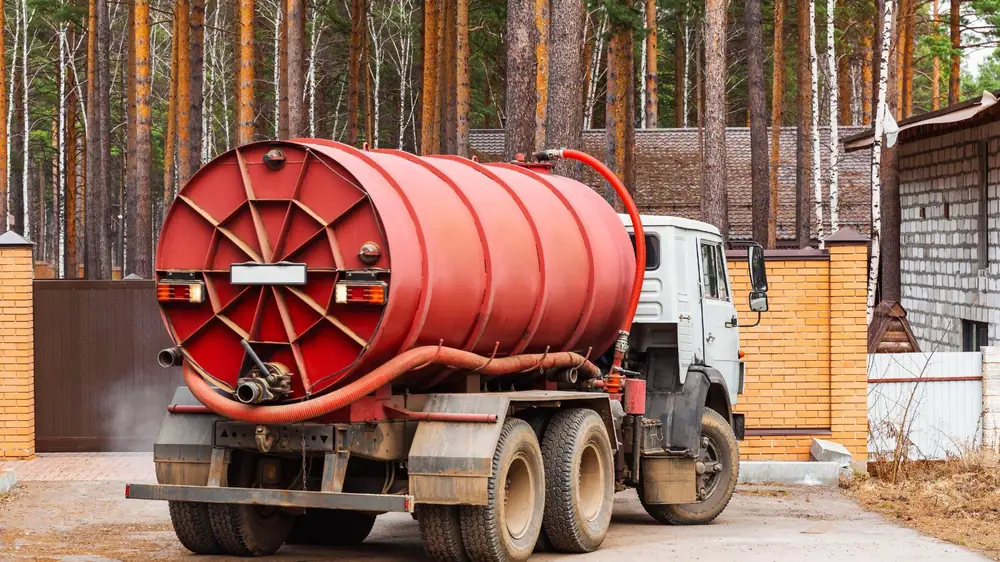
Why sewage is different
Sewage carries bacteria, viruses and parasites. Porous materials that touch it, such as carpet, pad, drywall and insulation, are generally removed and discarded because they cannot be made clean. Hard surfaces can be cleaned and disinfected.
We use protective equipment, containment where the backup is large and careful disposal. Anything bagged or boxed leaves the home without being dragged across clean areas.
| Situation | Common cause | Typical response |
|---|---|---|
| Floor drain or basement drain overflows | Blockage in the home's sewer lateral or main | Plumber clears line, then cleanup. |
| Toilet overflows with solids | Clog in drain line | Cleanup, disinfect, dry. |
| Water backing up in lowest fixture during heavy rain | Main sewer surcharge | Contact utility and plumber, cleanup. |
| Slow drains across the house | Partial main line blockage | Plumber inspects line. |
Local contacts
Ballwin homes connect to public sewers managed through the Metropolitan St. Louis Sewer District in St. Louis County. If several neighbors have backups after heavy rain, call the utility. Your plumber can tell you whether the blockage is in your own lateral or the main line, which affects who is responsible for the repair.
We are not the utility and do not determine who pays for the line. We focus on cleaning the damage.
Sewage in your home?
Stay out of the area and call. We will explain the next steps.
The cleanup process
- Contain the area and shut off air handling if it could spread contamination.
- Remove liquid and solids with extraction equipment.
- Remove porous materials that cannot be cleaned.
- Clean and disinfect remaining surfaces.
- Dry the structure with air movers and dehumidifiers, see structural drying.
- Check moisture readings and odor before rebuilding.
If the water rose during flooding rather than from a sewer line, the same safety rules apply, and our flood damage page explains what is different.
Health and insurance
We do not give medical advice. Anyone who has been exposed to sewage and feels unwell should speak with a health care provider. Insurance coverage for sewer backup often requires a specific endorsement. The Missouri Department of Commerce and Insurance encourages homeowners to review their policies for exclusions, so ask your agent whether yours includes it.
What you will see on a sewage job
The crew arrives in protective suits, boots, gloves and respirators. Plastic barriers go up between the affected space and the rest of the house. Air movement is controlled so contamination does not travel.
Materials that cannot be cleaned are cut out and bagged. Cleaning is done in stages, from the cleanest area to the dirtiest, to avoid spreading contamination.
Preventing the next backup
- Do not flush wipes, grease or paper towels.
- Have the lateral inspected if backups recur.
- Ask your plumber about a backwater valve where appropriate.
- Know who maintains the line, you or the sewer district.
- Ask your insurer about water backup coverage before a loss.
Questions Ballwin homeowners ask
Yes. The 24/7 line is open at all hours. We cannot promise an arrival time, but we will tell you what to do immediately and dispatch quickly.
Small, contained spills on hard surfaces may be handled with protective gear, but larger backups and anything that reached carpet or drywall should be handled by trained crews.
Many policies require an added endorsement. Check your policy and ask your agent. We cannot confirm coverage.
No. A plumber clears the line. We clean up the damage.
After cleaning, disinfecting, drying and clear readings. The time depends on how much was affected.