Water damage restoration starts with the source. A burst supply line, a frozen pipe, a leaking water heater, a storm and a river flood all need different first steps. Choose the page below that fits, or call the 24/7 line and we will point you to the right one.
Pipes and plumbing
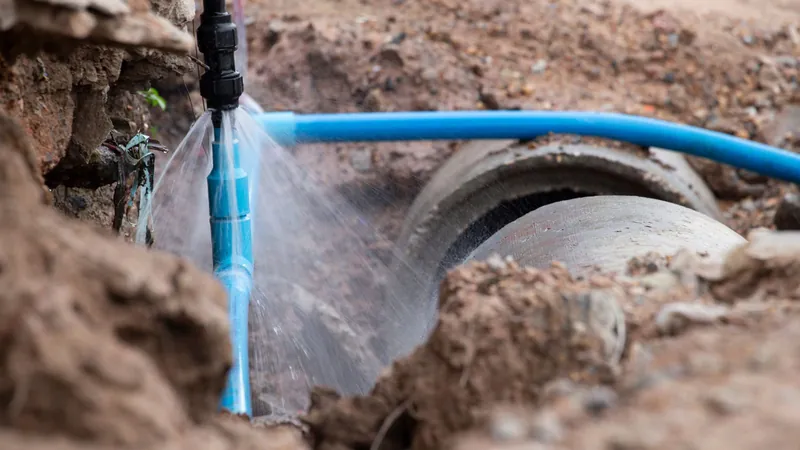
Burst Pipe Water Damage
Cleanup and drying after a pressurized supply line splits, with shutoff steps up front.
Read the page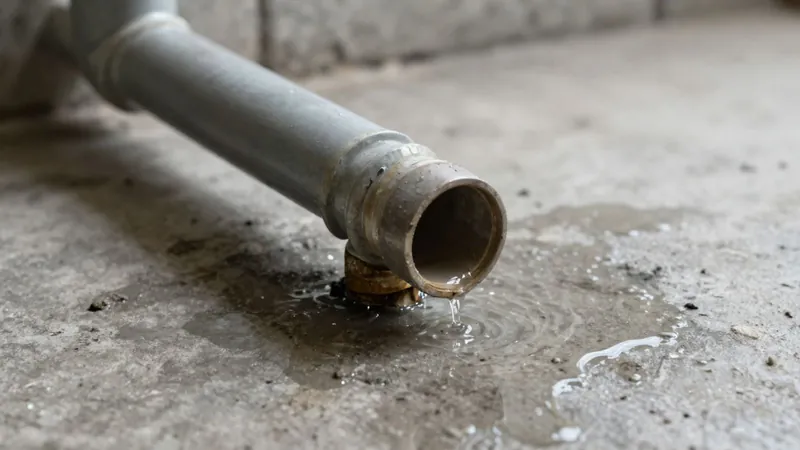
Frozen Pipe Water Damage
Water damage that appears when ice in a pipe cracks it and thaws, plus winter prevention.
Read the page
Water Heater Leak Cleanup
Removal and drying after a tank, valve or fitting fails, including hot water safety.
Read the page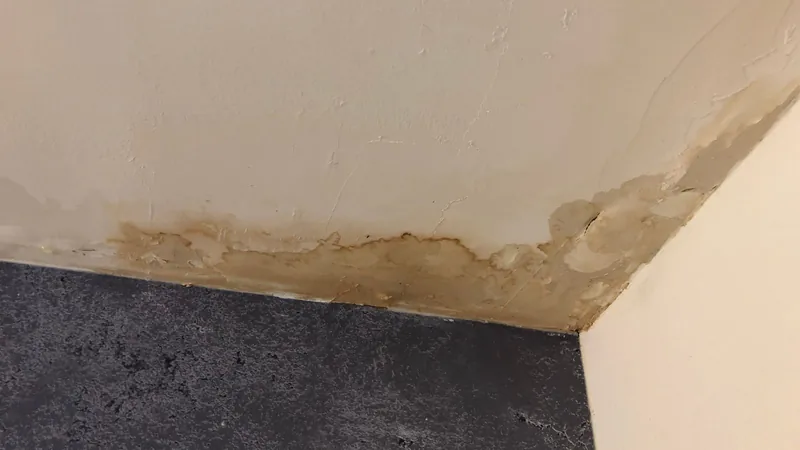
Slab Leak Water Damage
Wet floors and walls when a line under or in a concrete slab leaks.
Read the pageAppliances and HVAC
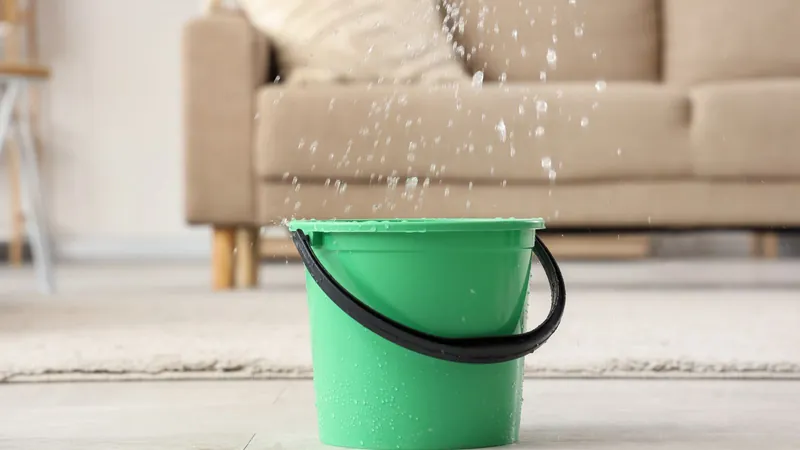
Appliance Leak Water Damage
Washer, dishwasher and refrigerator line failures and the hidden water they leave behind.
Read the page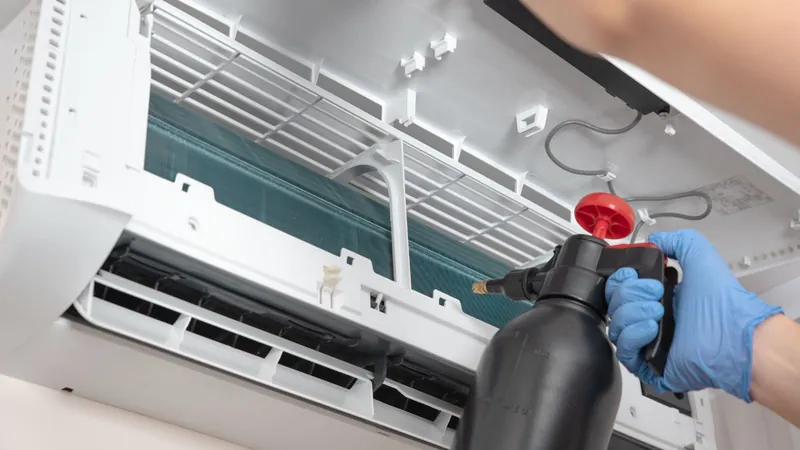
AC Leak Water Damage
Condensate line and drain pan overflows that stain ceilings, closets and attics.
Read the page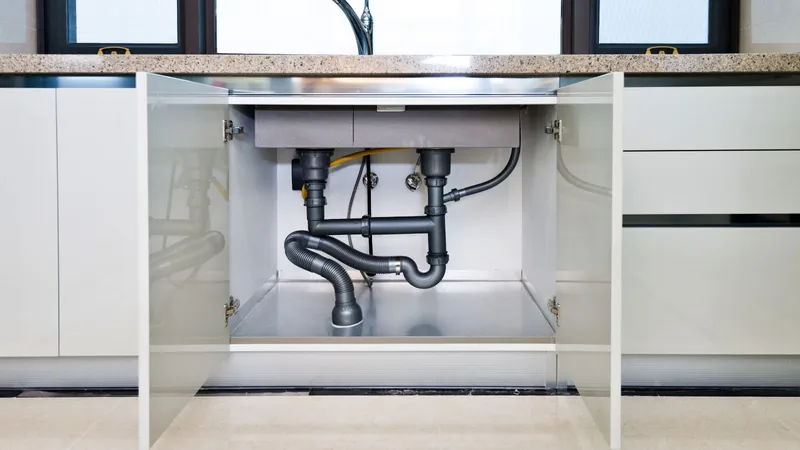
Kitchen Water Damage
Cabinets, toe-kicks, floors and the space under the sink after a kitchen leak.
Read the pageWeather and building envelope
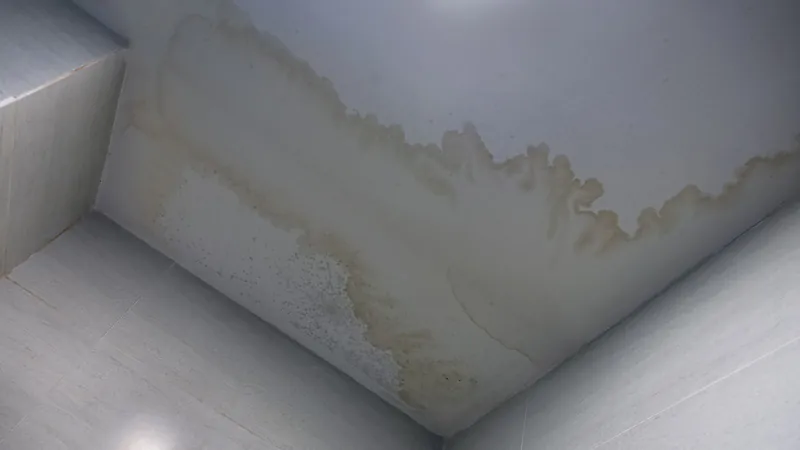
Ceiling Water Damage Repair
Stained, sagging or dripping ceilings, including roof leaks and upstairs sources.
Read the page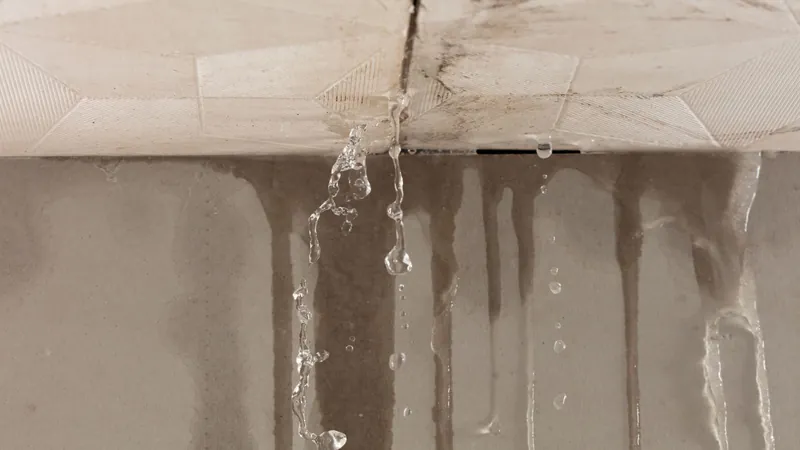
Storm Water Damage
Rain driven through roofs, windows and siding by wind, hail or debris.
Read the page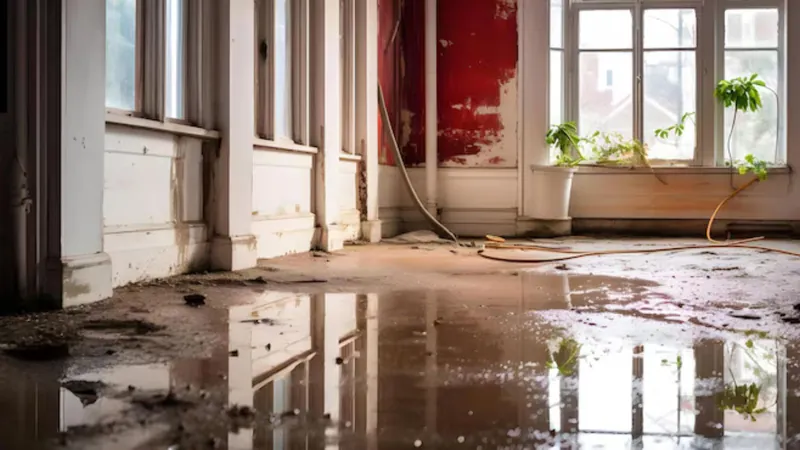
Flood Damage Cleanup
Contaminated river, creek and surface water removed and the building dried safely.
Read the page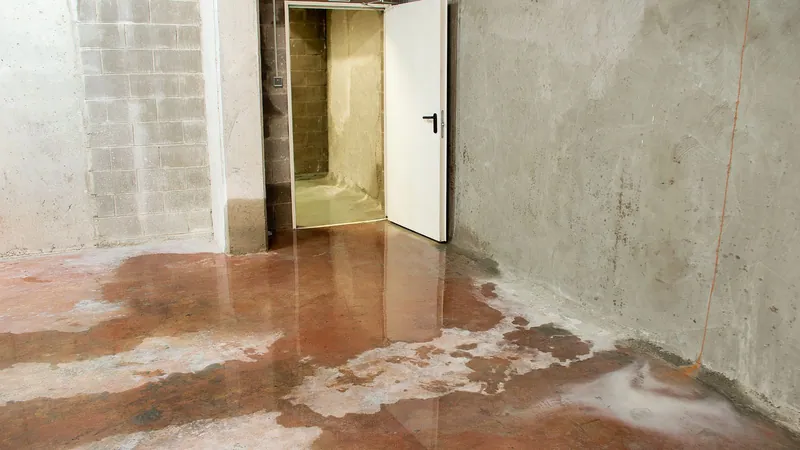
Basement Water Damage
Below-grade water from sump failures, seepage and leaks, and where waterproofing begins.
Read the page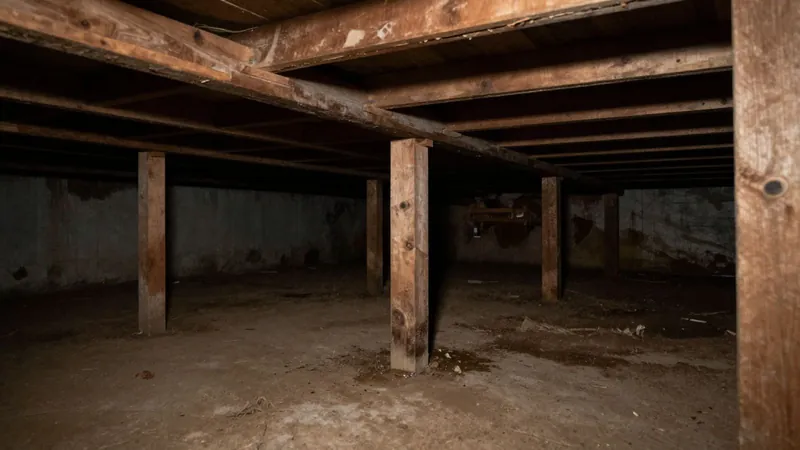
Crawl Space Water Damage
Standing water, wet insulation and damp joists under the house.
Read the pageWater removal and drying
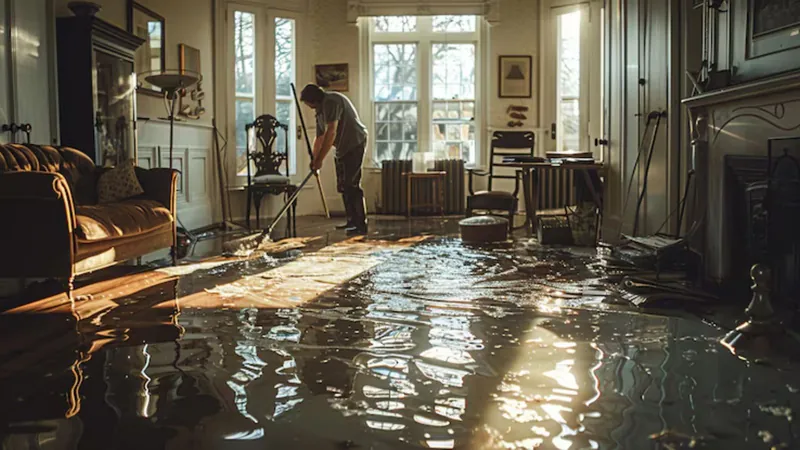
Water Extraction
Pumps and extractors remove standing water from floors, carpet and basements before it soaks in.
Read the page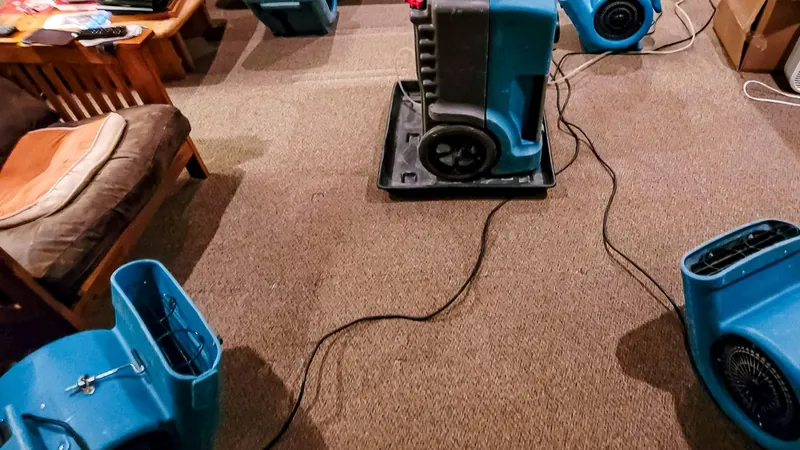
Structural Drying and Dehumidification
Moisture mapping, air movers and LGR dehumidifiers that dry what is inside the building.
Read the page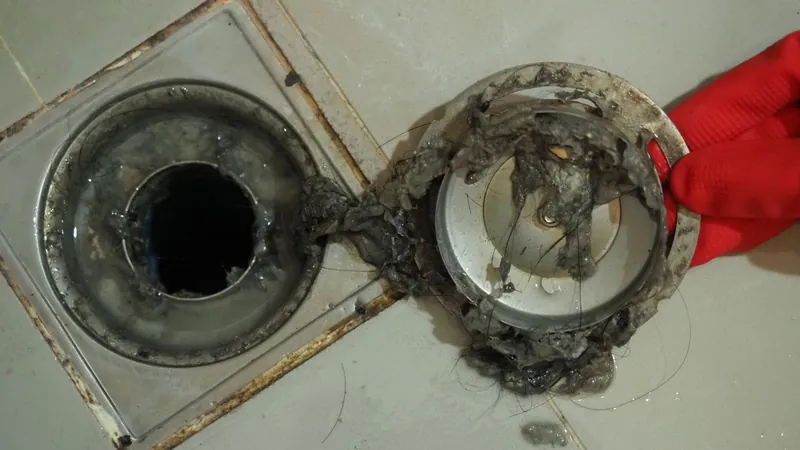
Sewage Backup Cleanup
Category 3 cleanup and disinfection after a drain or sewer line backs up.
Read the pageFloors and walls
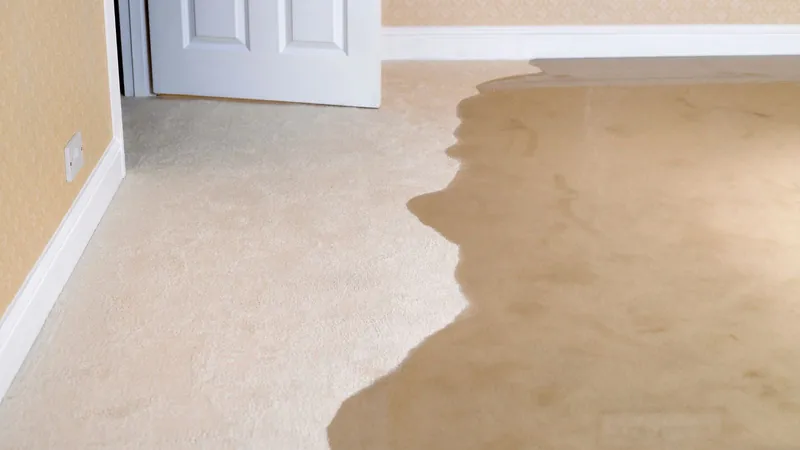
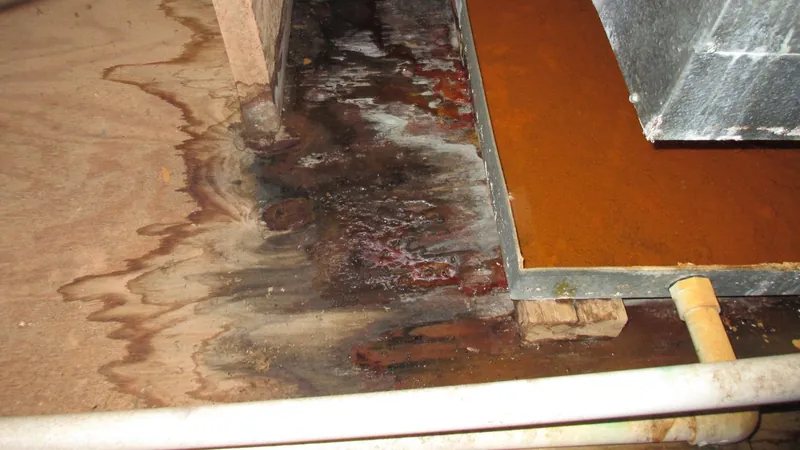
Commercial
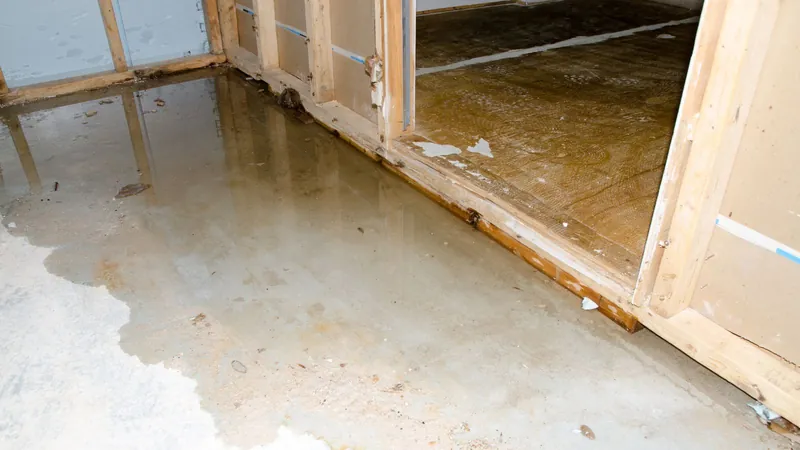
Commercial Water Damage
Offices, retail, restaurants and multi-unit buildings that cannot afford downtime.
Read the pageMold after a leak
Mold Remediation
Containment, removal and clearance questions after a leak has fed mold growth.
Read the pageWhich page should I read?
If water is standing on the floor now, start with water extraction. If it came from a pipe, read the burst pipe, frozen pipe, slab leak or water heater page that matches. If it came from outside, read flood damage cleanup or storm water damage.
If the damage is a stain, a soft spot or a warped floor, the material pages cover ceilings, walls and drywall, hardwood floors and carpet. The drying process itself is explained on the structural drying page.
What to do first while you wait
- Stop the water at its source if you can do so safely.
- Turn off power to wet areas when outlets or appliances are near the water.
- Do not enter rooms with sagging ceilings.
- Photograph everything before you move it.
Every service page cites the published ANSI/IICRC S500 standard for water damage and the S520 standard for mold as references for how the work is planned. They are industry documents, not claims about any one company.
Not sure which page fits?
Call (636) 747-8964. The line is open 24 hours a day and we will point you to the right one.