A small leak raises two questions. Is it worth a claim, and is it worth fixing now? The second question has an easy answer. The first depends on your policy.
This guide helps you weigh the choices. We are not insurance advisers, so it describes factors rather than telling you what to do.
Start with the deductible
A claim pays only the part of a covered loss above your deductible. Missouri DCI notes that deductibles can change at renewal and that different types of loss may have separate deductibles, so check the declarations page.
If your repair estimate is close to the deductible, a claim may produce little or nothing while leaving a record with the insurer.
Weigh these factors
| Factor | Points toward filing | Points toward not filing |
|---|---|---|
| Repair estimate versus deductible | Well above the deductible | Near or below it. |
| Cause | Sudden, covered event | Gradual leak or maintenance issue. |
| Extent | Hidden damage possible | Contained and dry. |
| Claim history | Few prior claims | Several recent claims. |
| Mold risk | Materials stayed wet | Dried within 24 to 48 hours. |
| Policy terms | Mitigation costs covered | Large exclusions. |
Document either way
Even if you do not file, take photos and keep receipts. DCI advises homeowners to document damage and take photos before making temporary repairs. If the leak turns out larger, you will need the record.
Keep the failed part and note the date. A dated record shows that you acted quickly.
Why waiting can cost more
The Missouri Department of Health and Senior Services recommends drying wet items within 24 to 48 hours. A small leak that wets drywall, a cabinet base or a carpet pad can grow into mold and rot if left alone. Mold may not be covered by your policy.
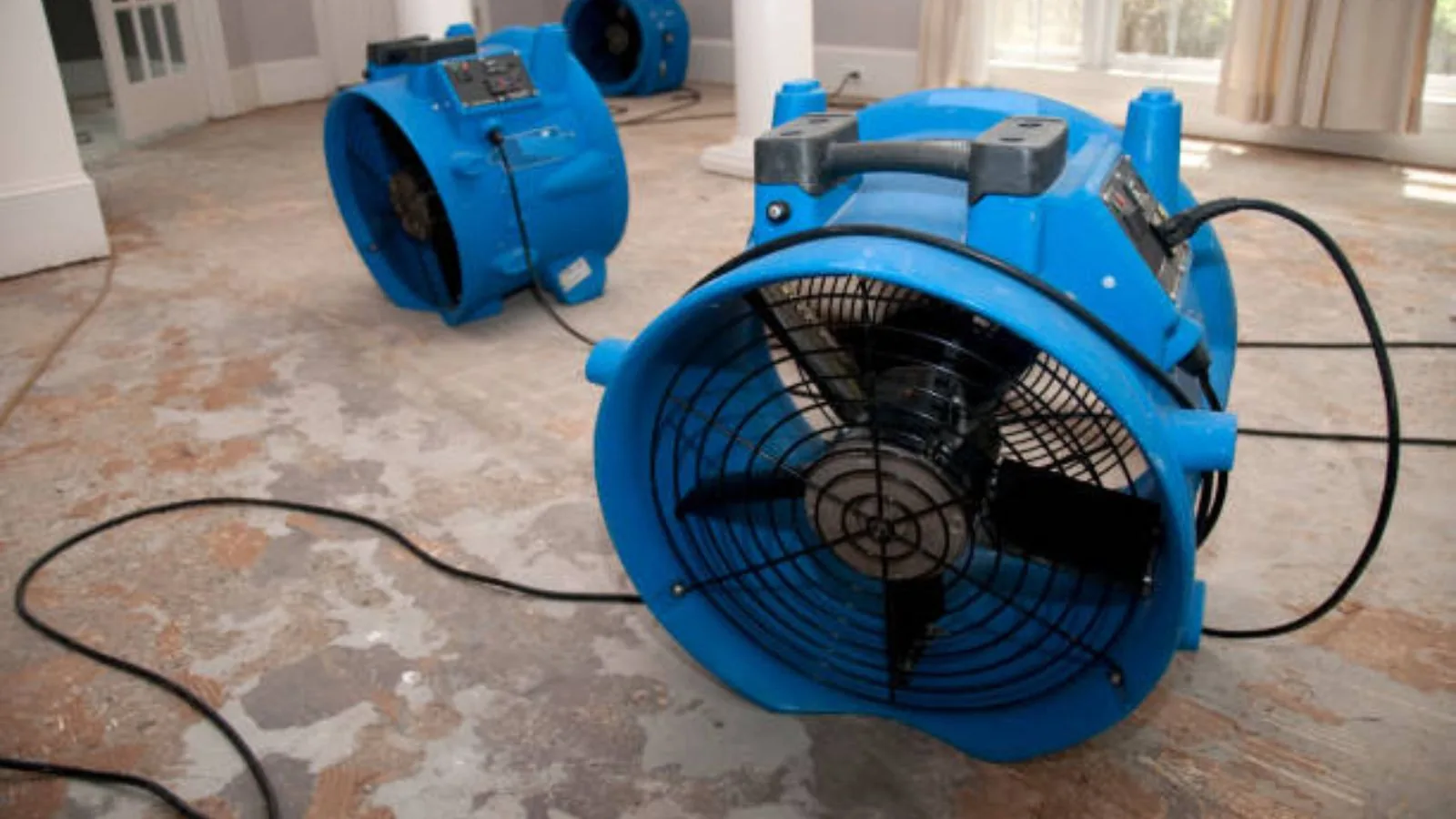
A modest drying job early is cheaper than a rebuild later. Our structural drying work is designed to stop that progression.
Claims, weather and Ballwin
NWS St. Louis normals show spring as the wettest season, with 4.82 inches in May. If a storm caused a roof leak, the date of the storm matters, so write it down.
Insurers may ask about claim history when renewing, and some people choose to handle small repairs themselves. DCI offers a consumer hotline and publishes guidance if you want an independent explanation of your rights.
Questions to ask your agent without filing
- Does asking about coverage count as a claim?
- What is my deductible for water damage?
- Does my policy cover mold from a covered leak?
- How does my policy treat gradual leaks?
- Is there a time limit to report?
Small does not mean harmless
Leaks that seem small are often small only on the surface. A washing machine line, a refrigerator line or a leaking AC condensate pan can wet floors and walls out of sight. Our appliance leak page and AC leak page describe how that happens.
What we can do
We can inspect, explain the scope and dry the structure. We provide logs and photos that you can use with or without a claim. For help in nearby towns see Valley Park and Fenton.
A few scenarios
| Scenario | Think about |
|---|---|
| A dripping supply line under a sink, found in a day, cabinet base slightly damp | Fix and dry. Cost may be below the deductible. |
| A leaking washer hose that wet the floor and drywall | Estimate may exceed the deductible. Document and ask. |
| A roof leak that stained a ceiling after a storm | Roof damage may be covered by wind or hail. Date the storm. |
| A slow leak found after a year | Likely a gradual damage question. Document and talk to the agent. |
Mitigation costs and your deductible
Emergency drying is part of the cost of the loss and counts toward whether you exceed the deductible. Rebuild work counts too. Add them together before deciding whether a claim makes sense.
If you decide not to file, you still benefit from a written scope and a drying log, which help you manage the repair and show a future buyer what was done.
Selling a home and past leaks
If you plan to sell, past water issues may need to be disclosed. A record of prompt repair, drying and documentation is better than an unexplained patch. Ask your agent or an attorney what applies to your situation.
A balanced way to decide
- Get the cause fixed.
- Get a written scope for drying and repair.
- Compare the total to your deductible.
- Ask your agent general questions about the policy.
- Decide whether filing makes sense.
- Keep all records either way.
What a good record looks like
A good record is short and dated. It lists what happened, what you did and who you spoke with. It includes photos, receipts and, if a plumber or roofer came, their invoice. If you decide to file later, those pages answer the first round of questions.
If you decide not to file, the same record helps with resale and with future claims, because it shows the home was maintained.
Cases where waiting is risky
- Water reached insulation, subfloor or wall cavities.
- Carpet pad stayed wet for more than a day or two.
- You smell mustiness that does not go away.
- The leak came from a roof, and more rain is forecast.
- The source is still active or unidentified.
In these situations, the cost of delay can exceed the cost of the claim or the drying. A professional check with a moisture meter costs little compared with finding mold in a wall later.
A word on documentation for resale
Buyers and inspectors often ask about past water issues. A short file with the date, cause, repair and drying record shows that the problem was handled properly. That record can be worth more than the cost of a modest claim, and it costs nothing to keep.
Even without a claim, ask your restoration company for copies of the moisture log and photographs when the job ends.
Standards behind this work
The Missouri Department of Commerce and Insurance publishes consumer guidance on filing claims. Reading it before you call your insurer helps you decide whether a small loss is worth reporting.
Common questions
That depends on the insurer and your history. Ask your agent before filing.
Policies set reporting deadlines, so read yours and keep the record.
Ask the agent directly. Practices vary.
Document it and talk to your insurer, because responsibility depends on the situation.
Condo policies and association rules vary. Ask your association and agent.