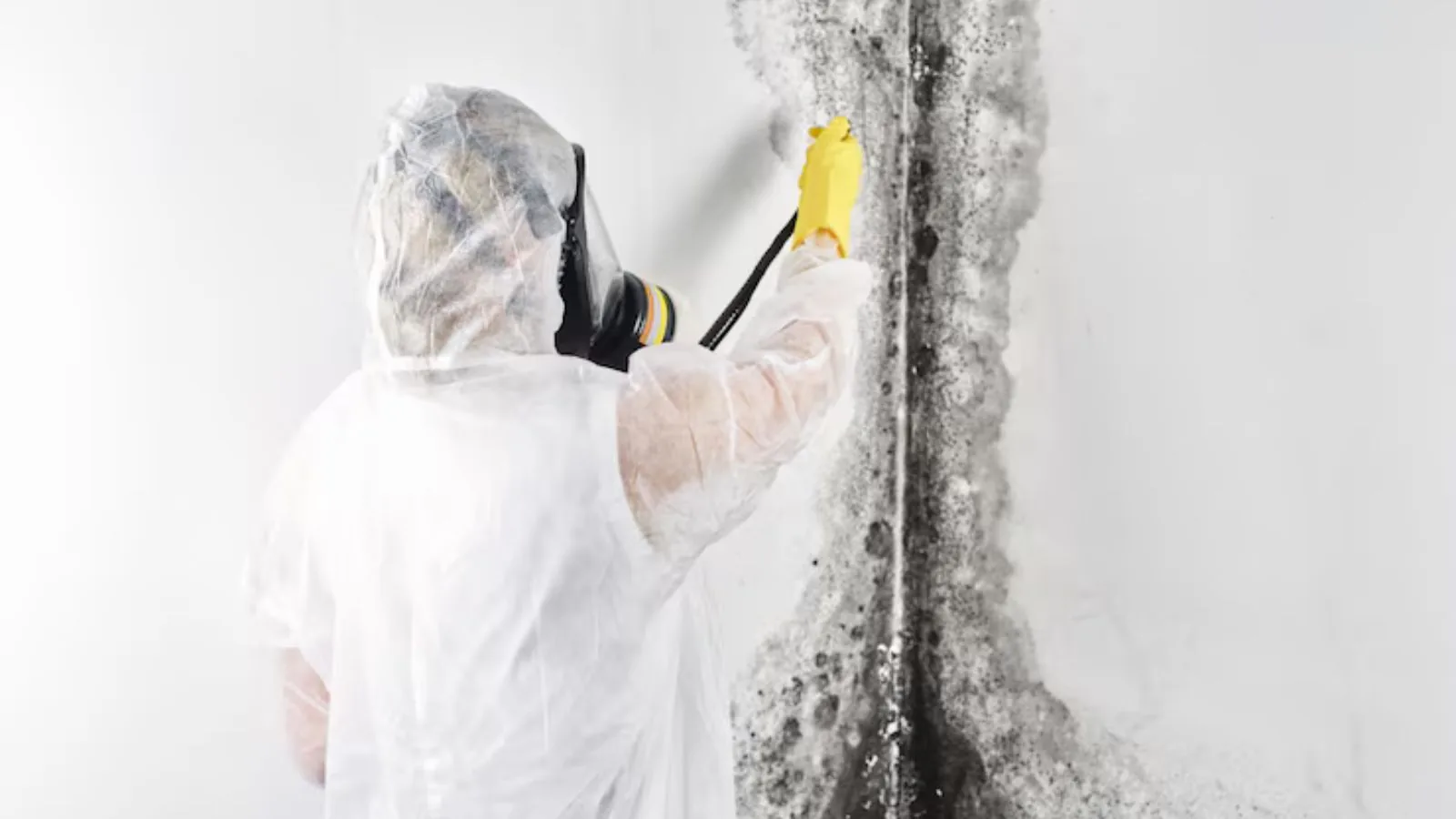
Mold removal services vary a great deal from one contractor to the next. Some offer a surface wipe, and others set up containment, run air scrubbers and remove contaminated drywall.
This guide explains what a thorough job includes so you can compare scopes. It does not endorse any single method, and it reflects published industry practice such as ANSI/IICRC S520 as a standard for mold remediation.
The sequence of a mold removal job
- Inspection to find the extent of growth and the moisture source.
- Fixing and drying the water problem.
- Containment with plastic barriers where the area is large enough to need it.
- Air filtration with HEPA units, often with negative air.
- Removal of contaminated porous materials.
- Cleaning and HEPA vacuuming of remaining surfaces.
- Final inspection, and independent testing if required.
What to ask a contractor
| Question | Good answer |
|---|---|
| What is the moisture source? | A specific cause and a plan to fix it. |
| What is the written scope? | Areas, materials and methods listed. |
| Will you contain the area? | Yes, with barriers and filtration where needed. |
| How will the price be set? | Explained before work, tied to scope. |
| What happens to removed materials? | Bagged and removed from the home carefully. |
| Who does clearance testing? | An independent party, not the remediator. |
Mold removal is not a spray
Spraying a product on mold and calling it done covers the surface. Porous materials such as drywall and insulation hold growth inside. Cleaning without removing them often leaves the problem in place.
The Missouri Department of Health and Senior Services says cleanup methods are the same regardless of mold type, so a contractor who claims special treatment for a so-called toxic mold should explain the difference.
Testing before removal
DHSS states that sampling is usually unnecessary when visible mold is present and that it does not assess health risk. Missouri and federal law set no mold exposure limits. Testing may still be requested by a lender, insurer or board, which we cover in our post on clearance testing for home sales.
What Ballwin homeowners ask us about
Callers from the St. Louis area often mention a leak under a sink, a closet wall that stayed damp or a basement that smelled stale. Some mention a buyer whose lender will not fund the loan until mold is removed.
Ballwin's spring rain pattern, with the NWS St. Louis normals showing about 4.8 inches in May, keeps many basements and crawl spaces damp. The City of Ballwin or St. Louis County building office can tell you whether a repair needs a permit.
What mold removal costs depend on
Price depends on the size of the area, the materials affected, access, containment needs and how much rebuilding is required. We explain the scope and how the price is set before work begins, and we avoid quoting numbers without seeing the job.
Beware of any quote that does not mention the water source.
After removal
Once the area is dry and clean, the rebuild begins with drywall, insulation and paint. Dehumidification may continue to keep humidity down, and our structural drying page explains the equipment.
If you live in nearby Eureka or Saint Ann, our Eureka and Saint Ann pages show our service area. The mold remediation page describes our approach in detail.
Containment, negative air and HEPA filtration
Containment means sealing the work area with plastic sheeting so spores do not drift through the home. Negative air means a fan exhausts air from the work area through a HEPA filter so air flows into the area, not out of it.
HEPA air scrubbers capture very small particles. Not every job needs all of these, but larger jobs often do, and a contractor should be able to explain which measures they will use and why.
How to compare two scopes
| Item | Scope A | Scope B |
|---|---|---|
| Moisture source | Identified and fixed | Not mentioned. |
| Containment | Plastic barriers and filtration | None. |
| Material removal | Drywall cut out and bagged | Surface spray. |
| Drying | Equipment and readings | Not included. |
| Documentation | Photos and logs | Invoice only. |
Scope A will usually cost more than Scope B, and it is more likely to solve the problem. Always ask what is not included.
Red flags
- Guarantees that mold will never return.
- Claims that only their special product works.
- Pressure to sign without a written scope.
- No discussion of the moisture source.
- No mention of drying or air filtration.
Living in the home during work
Small jobs are often done with the household in place, with the work room sealed. Larger jobs may require leaving for a few days. Anyone with asthma, allergies or a weakened immune system should talk to a health care provider before staying in the home.
We explain the plan during the inspection so you can decide.
Questions about timing and disruption
Ask when the work will start, how many days on site and whether anyone must leave the home. Ask how debris is removed and how dust is controlled. Ask who is on site each day and who you call with questions.
A professional contractor answers these without hesitation. If the answers sound vague, the scope probably is too.
After the job: what to expect
You should receive a record of what was removed, photos of the work area and a statement that the moisture source was addressed. If an independent tester is involved, that report comes from the tester, not from us. Keep everything together in one folder.
A note on warranties and promises
No contractor can guarantee that mold will never return, because mold returns when moisture does. A fair promise covers the work performed and the area treated. Be careful with broad guarantees that depend on conditions the contractor does not control, such as future leaks or humidity.
Ask what the written warranty covers, how long it lasts and what you must do to keep it valid.
Standards behind this work
ANSI/IICRC S520 is the published standard for professional mold remediation, and the EPA guide to mold and moisture explains why the moisture source must be fixed first. Ask any company to explain how it follows both before you sign.
What to do before a remediation crew arrives
- Stop the water source and keep the area dry.
- Do not disturb or sand visible growth, because that spreads spores.
- Keep the HVAC fan off in the affected rooms if you can.
- Photograph the area and keep records for your insurer.
Common questions
Inspection, moisture control, containment, filtration, removal of contaminated materials and cleaning. Ask for the scope in writing.
It depends on the size of the area and containment. We explain the plan during the inspection.
From a day or two for small areas to longer for larger ones, plus drying and rebuild time.
DHSS says there are no Missouri or federal exposure limits and that testing is not standardized. Lenders and insurers may ask for reports.
The method is the same. Flood-affected areas often need removal of contaminated materials and thorough drying first.