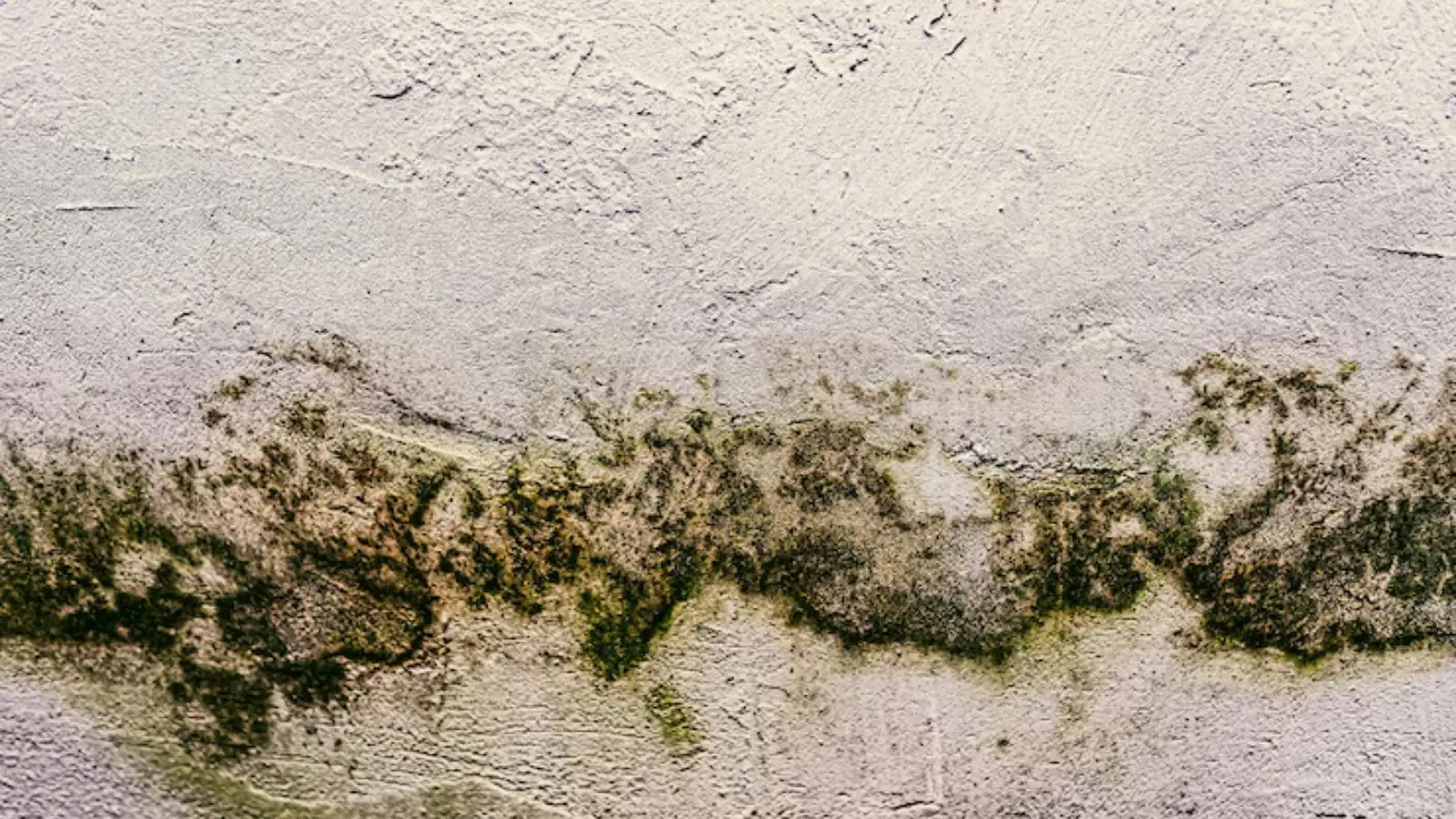
Black mold is a popular search because the color looks scary. The Missouri Department of Health and Senior Services addresses this directly and says the term toxic is an inaccurate description of this mold.
That does not mean you should ignore it. Any mold means moisture, and any mold can damage building materials and trigger allergy symptoms. This guide covers how to deal with it.
What DHSS says about black mold
The department states that the presence of mold does not present a health risk in most cases, that airborne spores are a common allergen and that excessive exposure can worsen asthma. It also says there is no conclusive evidence linking indoor mold to illnesses beyond allergy-type symptoms.
We do not give medical advice. If anyone in your home has symptoms, contact a health care provider.
Steps to get rid of it
- Find and stop the water source.
- Put on an N-95 respirator, gloves and goggles without vent holes.
- Isolate the area with plastic sheeting if possible.
- Scrub hard surfaces with detergent and water, then dry them.
- If you use bleach, mix one part bleach with ten parts water and never mix it with other cleaners.
- Bag and discard moldy porous items such as drywall, ceiling tile and insulation.
- Dry the area fully before painting or rebuilding.
Where black mold grows
| Location | Usual cause | Fix |
|---|---|---|
| Bathroom ceiling and shower corners | Humidity, poor ventilation | Clean, vent, repair caulk. |
| Under sinks | Slow plumbing leaks | Fix leak, dry or replace cabinet. |
| Basement walls | Seepage, humidity | Dehumidify, correct drainage. |
| Behind furniture on exterior walls | Cold surfaces and condensation | Move furniture, ventilate. |
| Ceiling edges | Roof or AC leak | Fix leak, replace drywall. |
What not to do
- Do not mix bleach and ammonia or other cleaners.
- Do not spray and walk away.
- Do not paint over mold.
- Do not sand or dry-scrub moldy surfaces without containment.
- Do not assume the color tells you the danger.
Humidity in a St. Louis County home
St. Louis NWS normals show average January highs of 40.4 degrees and lows of 23.8, so winter air against cold exterior walls can create condensation. In spring, the three wettest months bring 4.82, 4.73 and 4.49 inches.
Between those seasons, a home with weak ventilation can hold humidity. Bathrooms, closets on exterior walls and finished basements are the places Ballwin homeowners most often notice staining.
When to hire a professional
Call a pro when mold covers a large area, when it is inside walls or ceilings, when it follows flooding or sewage or when someone with asthma lives in the home. Our mold remediation team contains the area, removes contaminated materials and explains what comes next.
We tie the job to drying. See structural drying and dehumidification for how we confirm the structure is dry.
Preventing a return
- Fix leaks quickly.
- Keep indoor humidity moderate with a dehumidifier or ventilation.
- Use bathroom fans and run them after showers.
- Check closets and corners for dampness.
- Dry wet items within 24 to 48 hours.
If your home is near Fenton or Saint Ann, our Fenton and Saint Ann pages show the areas we cover.
Why the black color gets so much attention
Several mold species look dark, and the dark color on drywall or grout makes a stain look dramatic. The color alone does not identify the species, and it does not tell you how much exposure is occurring.
Because the Missouri DHSS says cleanup methods are the same regardless of mold type, the practical step is the same for any dark growth. Find the water, protect yourself, clean or remove, and dry.
A bathroom example
A bathroom without good ventilation sees steam on every shower. Caulk cracks, grout stays damp and the ceiling above the shower gets dark spots. The fix is a working exhaust fan, resealed joints and regular cleaning.
If the ceiling drywall is soft or the spots return after cleaning, a leak from above or a hidden plumbing problem may be involved. A pro can check with a moisture meter.
A basement example
A basement wall with dark patches near the floor often points to seepage or condensation. Dehumidify, check the gutters and grading outside and clean the surface. If carpet or drywall is stained, those materials usually come out.
Repeated basement dampness may require a drainage fix from a waterproofing contractor, which is a different trade from ours.
Keep records
Take photos before and after, note the date and keep receipts for supplies or services. If the growth came from a covered water event, those records can support an insurance conversation, and our post on mold coverage explains what to ask.
Black mold and pets or children
Keep small children and pets out of the area during cleaning and until surfaces are dry. Mold spores are everywhere in small amounts, and the concern is a damp indoor spot where growth builds up. If a child or pet shows symptoms such as coughing, sneezing or irritated eyes, talk to a doctor or veterinarian.
We do not give medical advice. The Missouri DHSS tells anyone with symptoms to contact a health care provider.
When bleach is the wrong tool
Bleach is a disinfectant for hard surfaces and does not soak into porous materials. On drywall, wood or carpet, the surface may look cleaner while growth remains inside. That is one reason moldy porous materials are usually removed instead of treated.
Bleach also gives off fumes. Ventilate the area, wear the protective gear Missouri DHSS lists and never use it with ammonia or other cleaners.
Black mold on a ceiling
A dark patch on a bathroom or bedroom ceiling usually means moisture is reaching the drywall from above or from steam below. Check for a roof leak, an attic vent that dumps humid air or a bathroom fan that never reached the outside. Replace the section if the board is soft.
Standards behind this work
The CDC advises against mixing bleach with ammonia or other cleaners, and the EPA says visible mold on hard surfaces can be cleaned with detergent and water. ANSI/IICRC S520 is the published standard for larger jobs.
Common questions
DHSS says the term toxic is inaccurate and that mold is mainly an allergen, and that excessive exposure can worsen asthma. Treat any mold as a moisture problem.
Our source for homeowner cleaning is the Missouri DHSS, which describes detergent and water or a diluted bleach solution. Check their guidance before using other products.
DHSS says sampling is usually unnecessary if visible mold is present.
Usually humidity and poor ventilation, or a leak. Fix both.
Yes, if the carpet and pad stayed damp. Lift an edge and check, and dry the floor.