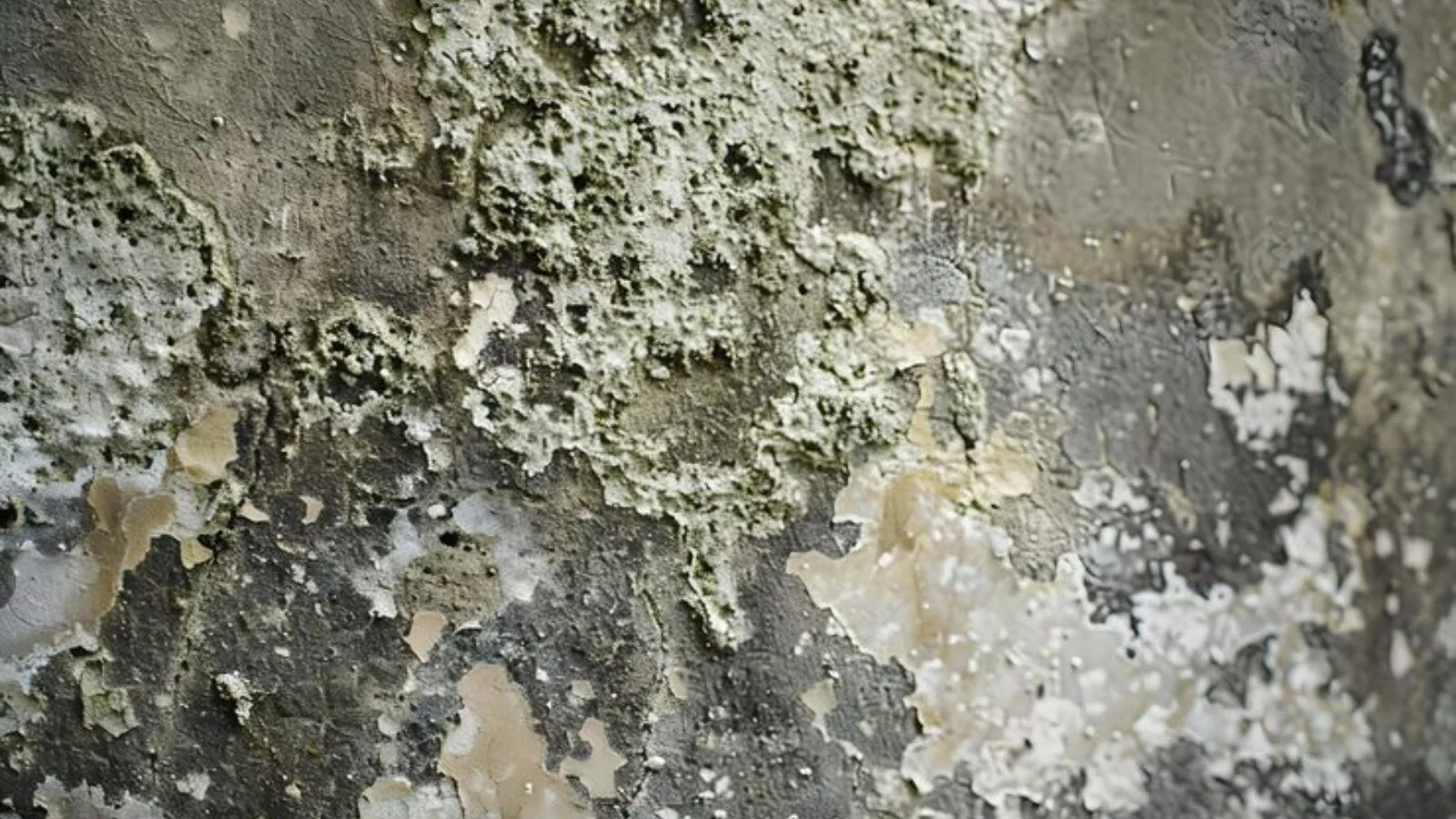
People often ask how many days they have before mold appears. The Missouri Department of Health and Senior Services gives a practical benchmark: dry wet items within 24 to 48 hours.
That is guidance for action, not a guarantee that mold will or will not appear on a given day. This post explains the factors involved.
What mold needs
Mold needs moisture, a food source and time. Wood, paper facing on drywall, carpet and dust are food. Temperature and humidity also matter. Dry, clean surfaces rarely grow it.
DHSS says mold grows where there is moisture and food, such as paper, wood or cellulose, and that indoors mold growth is a symptom of a water problem.
A rough timeline
| Time since water | Condition | What helps |
|---|---|---|
| 0 to 24 hours | Water is wicking into materials | Extract water, start drying. |
| 24 to 48 hours | Window DHSS cites for drying | Air movers, dehumidifiers, remove soaked pad. |
| Several days | Growth may begin on damp porous materials | Open walls, dry cavities. |
| A week or more | Visible growth and odor are possible | Inspection and remediation. |
This is a general guide, not a prediction for any specific home.
What makes growth faster
- Contaminated water that carries organic matter.
- Warm indoor air.
- Closed spaces without airflow.
- Porous materials that stay wet.
- Hidden leaks that rewet the same spot.
- Delayed extraction.
What to do in the first 48 hours
- Stop the source.
- Remove standing water.
- Remove soaked carpet pad and loose wet insulation if you can do so safely.
- Run fans and a dehumidifier, and open doors for airflow.
- Photograph everything for your claim.
- Call a restoration company if walls, floors or large areas are wet.
Our water extraction and structural drying services are built around that window.
Why Ballwin homes see growth after spring rain
NWS St. Louis 1991 to 2020 normals show April at 4.73 inches, May at 4.82 and June at 4.49. When storms hit in warm weather, indoor humidity rises along with the water, and damp materials stay damp longer.
Basements and closets on exterior walls are the places we hear about most. If a heavy storm was followed by a musty smell, check them first.
Signs mold has started
- A musty odor.
- Discoloration on walls, ceilings or baseboards.
- Peeling paint or bubbling drywall.
- Fuzzy or powdery spots.
- Staining behind furniture.
If you see signs, read our mold remediation page. Do not disturb a large area before containment is in place.
Testing
DHSS says sampling is usually unnecessary when mold is visible and does not assess health risk. A lender or insurer may still request testing. We explain it in our separate guide on clearance testing.
For service in nearby towns, our Eureka and Saint Ann pages show the coverage area.
What not to rely on
Bleach on drywall does not solve a moisture problem inside the board. Paint over a damp wall holds moisture in. Opening a window on a humid day can raise indoor humidity instead of lowering it.
Air freshener hides odor without removing the cause. If a smell lasts more than a day or two after water damage, look for hidden moisture.
Different materials, different risk
| Material | Mold risk if left wet | Typical action |
|---|---|---|
| Drywall | High, paper facing is food | Dry fast or replace. |
| Carpet pad | High | Usually replace. |
| Insulation | High in fiberglass batts that stay wet | Remove if saturated. |
| Solid wood framing | Moderate | Dry and monitor. |
| Concrete and tile | Low on the material, higher on dust and films | Clean and dry. |
Hidden places mold starts
- Inside wall cavities behind baseboards.
- Under carpet pad and vinyl.
- Behind refrigerators and washers.
- Inside cabinets under sinks.
- In attic insulation after a roof leak.
These spots rarely get checked after a small leak, so a moisture meter is worth using even when nothing looks wet.
If you find mold after the window
If days have passed and you see growth, do not panic and do not scrub vigorously. Stop the water, protect yourself and read the cleaning guidance from the Missouri DHSS. For larger or hidden growth, book an inspection. We follow a containment and removal sequence described on our mold page.
A practical first-day checklist
- Note the time you found the water.
- Stop the source and call for help.
- Remove standing water and soaked pad.
- Start fans and a dehumidifier.
- Take photos and moisture readings if you have a meter.
- Check back in 24 hours and 48 hours.
- Call a professional if anything is still damp.
Mold and the season
Humid summers speed growth, and wet springs supply the water. In the St. Louis area, the NWS normals show April through June as the three wettest months. Water events in that window run into warm weather, which gives mold favorable conditions.
Winter water events are slower to grow mold because rooms are cooler, but heated homes with closed windows can still hold damp pockets. Do not skip drying because it is cold outside.
What professionals look for
A technician reads moisture in drywall and framing, checks the back of baseboards and looks for staining on the underside of carpet pad. A musty odor with no visible source suggests growth in a cavity. In that case an inspection opens small access points rather than guessing.
What to tell the person who comes to inspect
Share the date of the water event, what you did in the first two days and whether the area was ever completely dry. Mention odors, stains and any renovation. If you saw growth, say where and how large. Good history shortens the inspection and improves the plan.
Do not wait for a smell
By the time a musty odor is obvious, growth has usually been present for a while. Use a moisture meter or call for an inspection after any significant wetting, even if everything looks fine. Catching moisture early is cheaper than removing mold later.
Standards behind this work
The EPA states that mold can begin growing on wet materials within 24 to 48 hours, which is the same window ANSI/IICRC S500 drying plans work against.
Common questions
DHSS cites 24 to 48 hours as the drying window, which implies growth risk can begin soon after, depending on conditions.
No. Fast drying of clean materials often prevents it.
Odor, staining and moisture readings are clues. A professional can check with meters and by opening small sections.
It helps by lowering humidity but does not dry saturated materials alone.
The guidance is general. Local humidity and building conditions affect speed, so act quickly.