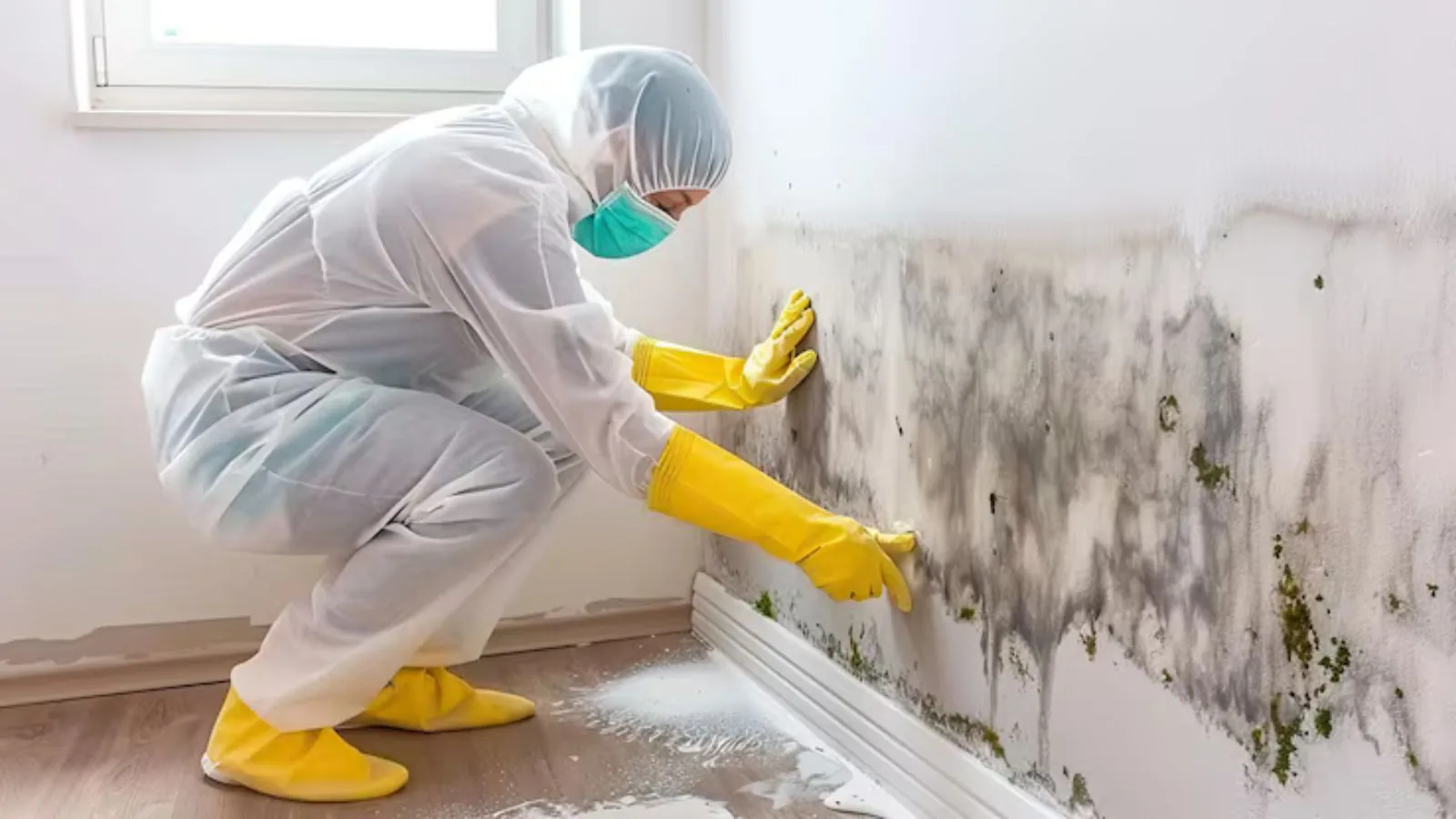
Mold coverage is one of the most confusing parts of a homeowners policy. Some policies exclude it. Some cover it only when it results from a covered water event. Some cap the amount.
We are not insurance advisers, so this guide describes common patterns and the questions to ask your agent.
Why mold coverage is tricky
Mold is a result of moisture, so insurers often tie coverage to the cause of the moisture. If a sudden, covered event such as a burst pipe led to mold, the mold may be handled as part of that loss. If the mold came from long-term humidity or an unaddressed slow leak, it may be excluded.
Policies also differ on limits. Some set a sub-limit for mold remediation, and some exclude it unless an endorsement is added.
| Question | Why it matters |
|---|---|
| Does my policy exclude mold? | Some do outright. |
| Is there a mold sub-limit? | Caps total payout. |
| Is mold covered when it follows a covered water loss? | Often the key question. |
| How are gradual leaks treated? | Often excluded. |
| What documentation do you require? | Photos, invoices, reports. |
| Does testing fall within the limit? | Costs may count toward the cap. |
The role of fast drying
Insurers expect homeowners to take reasonable steps to prevent more damage. Drying wet materials within the 24 to 48 hour window the Missouri Department of Health and Senior Services cites reduces the chance of mold. It also helps show that you acted promptly.
See structural drying for how a crew does it.
Document the mold and the cause
- Photograph visible growth, the stain and the source of the water.
- Keep plumber or roofer invoices.
- Keep the moisture readings and the remediation scope.
- Note when you first noticed the problem.
- Keep receipts for emergency services.
Missouri DCI advises homeowners to document damage and take photos before making temporary repairs and to keep receipts.
Missouri guidance on testing and mold
The Missouri Department of Health and Senior Services says sampling is usually unnecessary when visible mold is present and does not assess health risk, and that no federal or Missouri exposure limits exist. An insurer may still ask for a report for a claim.
The St. Louis normals show 41.70 inches of precipitation a year and a wet spring. Water events in Ballwin often peak when it is warm, which is when mold gets moving.
What we can do and not do
We perform mold remediation and provide documentation of the work. We do not decide coverage, and we do not promise what an insurer will pay. For the work itself, see our mold remediation page.
If the mold came from a specific source, the related pages are AC leaks, burst pipes and ceilings.
Also check endorsements
Some insurers offer endorsements that raise the mold limit or add water backup coverage. Ask your agent before a loss, when the answer can still change your options.
For nearby service areas, see our Fenton and Eureka pages.
Typical patterns, not promises
| Situation | Common treatment |
|---|---|
| Mold after a covered burst pipe | May be addressed as part of the loss, sometimes with a limit. |
| Mold from a slow leak the owner knew about | Often excluded. |
| Mold from flooding | Typically excluded from standard policies. |
| Mold from high humidity | Often excluded as maintenance. |
| Mold with a mold endorsement | Higher limits may apply. |
Your own policy language controls.
Timing matters
Report the underlying water event promptly and dry the structure. Waiting for weeks and then reporting mold can look like neglect. Prompt action is also the best protection against mold itself.
If you find mold during a remodel or a move, note the date, stop work in that area and document it.
Selling or buying
If you are selling, a claim record may matter to buyers, and so may repair documentation. Talk to your agent about both. If you are buying, ask the seller for insurance claim history and repair records.
We help with the physical work and the records. We do not give legal or insurance advice.
Helpful state resources
The Missouri Department of Commerce and Insurance publishes consumer guidance and lists a consumer hotline. The Missouri Department of Health and Senior Services publishes a mold fact page. Both are free to read and are the right places to start if a coverage question feels unclear.
Practical steps right now
- Pull out your policy and find the sections on water damage, mold and exclusions.
- Write down the deductible and any mold limit.
- Ask your agent whether a mold endorsement is available.
- Photograph and record any current moisture problems.
- Fix leaks, because insurers treat known unrepaired leaks harshly.
- Keep a folder of repair invoices.
If you have a loss in progress, call your insurer promptly and keep the area dry. Our structural drying work is aimed at stopping mold before it starts.
Why documentation beats arguing
Disputes about mold usually turn on when the water event happened, whether it was sudden and whether the owner acted promptly. A dated photo, a plumber invoice and a drying log answer those questions better than any argument.
Ask for copies of everything. Keep digital and paper versions in case one is lost.
If the mold limit is low
Some policies cap mold remediation at a modest amount even for a covered loss. Ask what the cap is and what counts toward it. If it is low, ask whether drying and water removal are paid separately, since those costs may sit outside the mold limit.
Planning the scope with that in mind helps you avoid surprises. A clear conversation with your agent beats a claim letter after the fact.
Renters and condo owners
Renters policies rarely pay for building repairs, and condo policies depend on the association documents. Ask the landlord or association who handles mold in the walls and who handles your belongings. Put reports in writing and keep copies.
Standards behind this work
The Missouri Department of Commerce and Insurance publishes consumer information on homeowners coverage, and ANSI/IICRC S520 is the published standard for mold remediation.
What to do before you call your insurer
- Read the mold and fungi sections of your policy.
- Photograph the damage and the moisture source.
- Keep receipts for temporary repairs.
- Do not discard damaged materials until the adjuster has seen them or approved disposal.
Common questions
Often it is handled as part of a covered water loss, but terms differ. Ask your agent.
Sometimes. Check your policy language.
Flood damage is typically excluded from standard homeowners policies, per Missouri DCI, so check flood coverage.
Document first, call the insurer promptly and dry the area. Do not wait for days while materials stay wet.
Yes, the Missouri Department of Commerce and Insurance has a consumer hotline listed on its website.